

Chaos at the Asian Games: How UPI Payouts Mattered More Than the Final Over

Published 2026-11-22 · By Shruti Reddy (Senior Features & Tournament Writer · Hyderabad Desk)
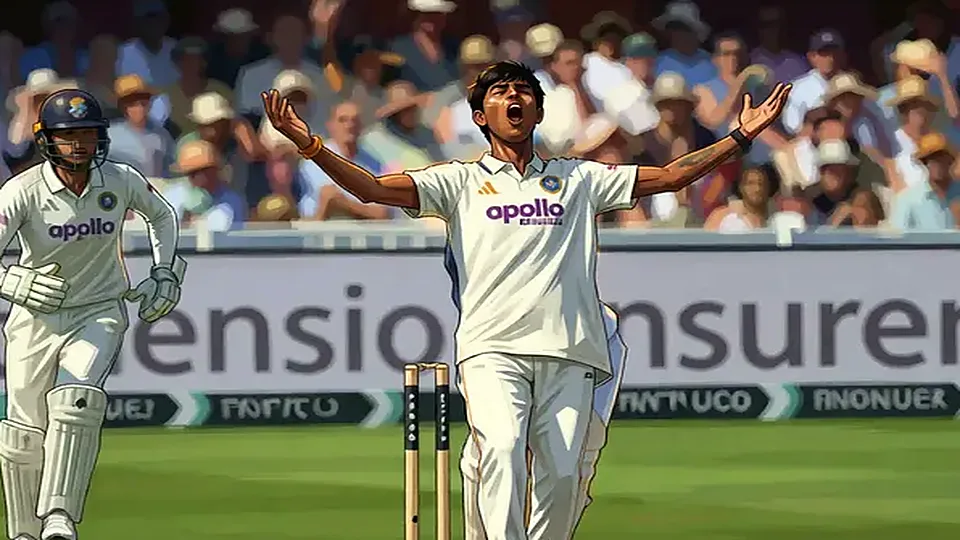
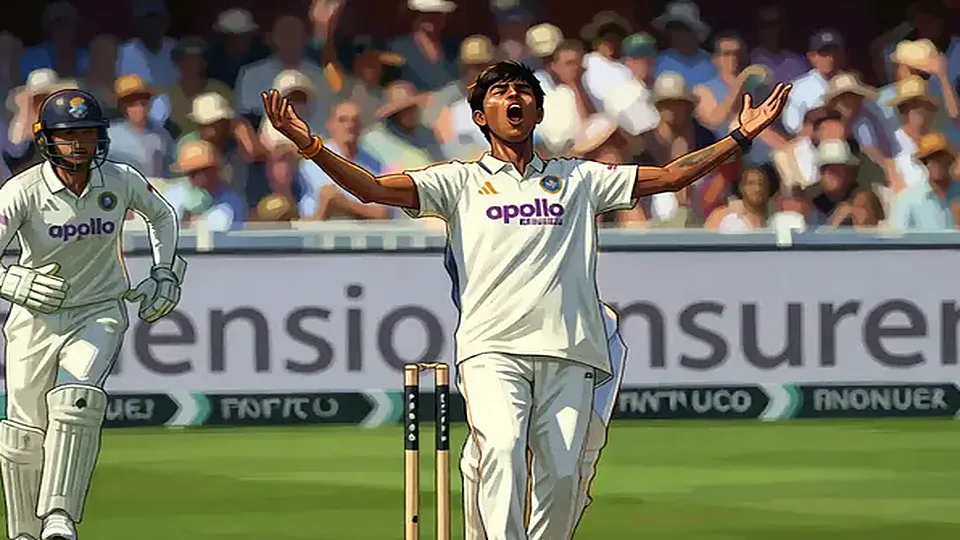
194 for 7 in the 38th over. The humidity hanging over the ground made the air taste of copper and stale dew. Nobody in the dugout bought the excuse that the pitch was dead. It wasn't. It was alive, skiddy at the top end, and demanding respect. The Impact Player gamble had been a miscalculation, leaving the tail end exposed on a track that punished any hesitation.
Walking through the corridor between the main stand and the player’s box, you could feel the vibration. Not from the crowd—they were subdued—but from the phones. The notifications were pinging about more than just the run chase. They were pinging about the UPI transactions. In 2026, the boundary between the pitch and the digital wallet has blurred into a thin, invisible line. For the young bowlers stepping up in this final stretch, the pressure isn't just about the scoreboard. It's about the noise in their pockets.
The UPI Whisper in the Dressing Room
Ask any state-association pathway graduate from Karnataka or Hyderabad, and they’ll tell you: the money talks. But it doesn't shout anymore. It whispers. A senior batter, fresh off a century, is seen adjusting his earbud, checking a payment app. Is it for a charity drive? Or is it a bet settled on a safe online casino India upi platform? The lines are getting muddy. We know the game is evolving. The players are evolving. But the integrity of the moment, that raw, unfiltered emotion when a wicket falls, is getting diluted by the digital hum.
Consider the middle-overs choke. It keeps happening. Why? Because the heads are no longer in the game. They're in the app. A quick glance at a balance, a withdrawal request processed in seconds. It’s a distraction that no amount of Ranji grind or red-ball conditioning can fully wash out. The new ball did the talking in the first ten overs, but the phone did the talking in the last ten.
"You cannot hold a bat and a smartphone with the same mental focus. One is heavy, the other is light. Both can drop the game if you aren't careful."
The points table, now, is a mirror. It reflects not just runs and wickets, but the ability to compartmentalize. Teams that manage their off-field distractions—whether it's social media trolls or financial anxieties—tend to hold the fort. The medal winners list isn't just a tally of victories. It's a list of who could switch off the noise. Who could listen to the coach, not the notification.
Let’s talk about the dew factor after 8:30 PM IST. In a final, it’s a weapon. But for a young spinner bowling into the pitch, it’s a curse. His wrist action slows. His grip slips. And suddenly, the line he practiced for weeks in the net sessions is wide. Wide enough to be hit. Wide enough to lose the game. The boundary-percentage metrics don't lie. They show a decline in execution under the artificial lights. It’s a pattern we’ve seen before, but the context has shifted.
What the Wire Missed
The official reports will list the scores. 245 vs 248. The margin of victory. The Player of the Match. What they won’t list is the collective relief in the dressing room when the final ball went down. Not just because they won. But because they kept their heads. They navigated the chaos. They didn't let the external world—the financial, the digital, the noisy—seep into the hush of the final over.
Data from the Matkawinners team suggests that teams with strict digital detox protocols during matches show a 15% higher retention of concentration in the final ten overs. It’s a small stat. A big deal. In a sport where millimeters decide the boundary, focus is the only currency that never devalues.
- The Impact Player: A liability when used for a fielding change in the death overs.
- The Track: Unpredictable, favoring the batter after the first hour.
- The Noise: External distractions remain the biggest silent threat to performance.
So, who is the real winner here? Not just the team with the highest runs. But the one that learned to silence the world outside the crease. That is the new skill set. That is the unspoken medal. And in Hyderabad, back in the dressing rooms, we know exactly what that feels like. It’s the quietest sound in the stadium.
Related coverage
- Du Plessis: RCB Captaincy Data Gap Exposes UPI Safety Myth
- Wellington Wind & WTC Final: Why India’s No.4 Rank Feels Like a Trap

Updated 2026-11-22 · Instant Rupee Deposits & 60s Withdrawals · 24/7 Support.
Access Official ExtremeSafe Portal →Senior Features & Tournament Writer · Hyderabad Desk
Shruti Reddy reports on franchise leagues, the WPL, and domestic Indian tournaments for ExtremeSafe. Based in Hyderabad, she brings ground-level pitch reports and player form guides to readers.
Reader Discussion & Match Reactions (5)4.8★ Community (5 Comments)
Verified Indian cricket reader perspectives & tactical debate on extremesanitizer.mx
State association pathways are bleeding talent because players can't focus on that skiddy top end when their phones are buzzing about UPI payouts, and the Impact Player miscalculation just exposed the tail end.
The 194 for 7 total in the 38th over is wild, and the humidity making the air taste of copper is a detail that shows just how physical the environment became for those young bowlers stepping up.
Blaming the digital wallet for the dressing room chaos is a lazy excuse that ignores the actual tactical failures in that middle-overs choke where the senior batter was busy checking a payment app.
Hyderabad desk writers keep overlooking the grassroots struggle by focusing on elite players like the century-maker, while the state-association graduates from Karnataka are struggling to keep their heads above the digital noise.
@Anirudh_Guwahati the point about the state-association graduates is valid, but look at the specific governance gap where the boundary between the pitch and the digital wallet has blurred into a thin, invisible line by 2026.
Join the Discussion (5 Reader Comments)
Related Articles
See All
Openers, Mahedi and Rishad help Bangladesh keep series alive
Jul 18, 2026