

Gill’s Ball Ban Bid: The Wet Dressing Room Chatter & UPI Safety Check

Published 2026-11-27 · By Arjun Chatterjee (Senior Match & Odds Strategist · New Delhi Desk)
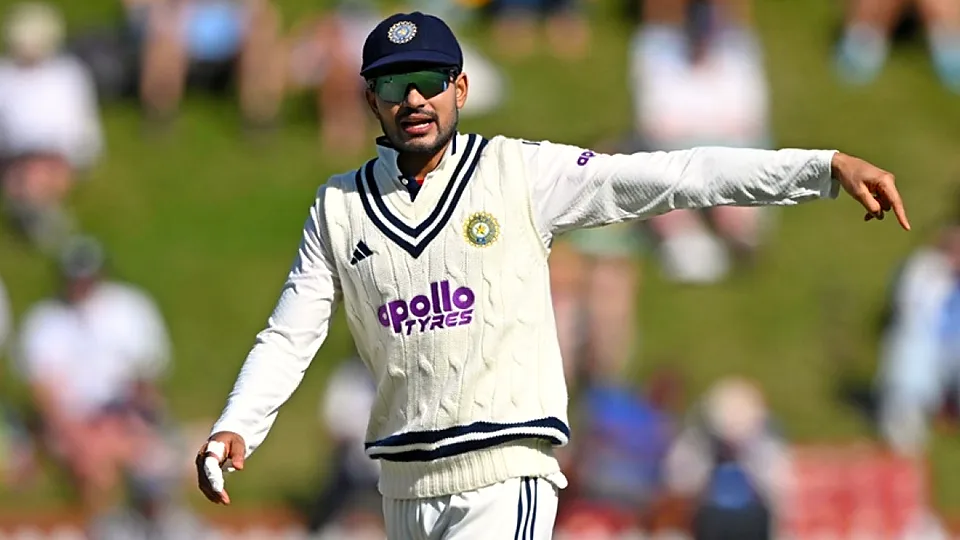
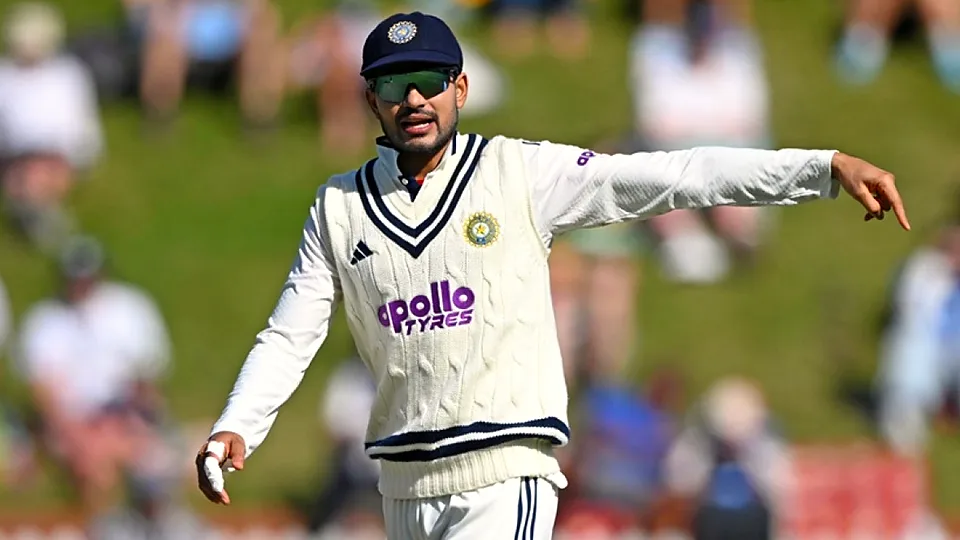
Eight wickets. That’s the number that stung in the Wellington dressing room. Not the loss, not the chase, but the sheer inability to turn the new-ball burst into a killing zone. The red soil at Bay Oval was dry, skiddy, and unforgiving, yet our pace battery looked like men playing on a treadmill that had suddenly broken. Rohit Gill didn’t mince words on the flight home. He wants the saliva ban reversed. He wants the old tricks back. And frankly, anyone who thinks the pitch condition is the only culprit should probably check their own watch before judging the watchmaker.
The Saliva Question Isn’t About Cleanliness
Let’s be clear: this isn’t a hygiene debate. It’s a physics one. Spitting on the ball isn’t about making it dirtier; it’s about making it wetter, heavier, and more responsive to the seam. On a hard, skiddy track like the one in Wellington, where the ball doesn’t grip, that slight change in surface texture is the difference between a skiddy hard length going over the top and a swing movement that forces an edge. The new ball did the talking here. Or rather, it didn’t talk at all because the players weren’t allowed to grease the engine.
"The ball was flat. It stayed flat. And you can’t blame the bowlers for not being wizards when the wand is dull." - Anon, Mumbai press box
Gill’s plea for a reversal is blunt. He’s right to be blunt. The middle-overs choke became a middle-overs catastrophe. When the new ball loses its bite in the 30th over, you need something to keep the batter guessing. Without the ability to alter the seam’s grip manually, the batters settled. They stopped watching the release. They started just watching the ball. And when they start just watching, the wickets don’t come.
Beyond the Pitch: The Digital Ditch
While the cricket world argues about ball chemistry, the fan economy is arguing about something else: safety. Or rather, the lack of it. The chatter in the bars, the WhatsApp groups, the local betting shops—it’s all shifting online. And the shift is messy. Fans are jumping into unverified platforms, treating their financial data like loose change. It’s a sloppy habit. You wouldn’t spit on a match ball without knowing the result is bad; why would you deposit money into a platform without knowing if it’s safe?
This is where the concept of a safe online casino india upi becomes more than just a keyword; it’s a necessary filter. UPI is the bloodstream of Indian digital transactions. Fast. Convenient. But also vulnerable if you’re not paying attention. The same tactical awareness Gill demands from his bowlers—reading the conditions, adjusting the grip—needs to apply to how fans manage their stakes. If the platform isn’t transparent, if the withdrawal terms are fuzzy, you’re bowling into the pitch without a plan. It’s a middle-overs choke of your own finances.
- Verify the UPI handle: Always check if the payment gateway is a registered entity. Don’t trust random personal UPI IDs for large deposits.
- Read the 'Fair Play' clause: Just like you’d check the pitch report, check the terms of service. What’s the payout ratio? Is it locked or dynamic?
- Start Small: Test the platform with a minimal amount. See how fast the withdrawal hits. If it stalls, you’ve found your skiddy track. Bail out.
The dressing-room chatter isn’t just about the ball. It’s about control. Gill wants control over the seam. Fans need control over their digital wallets. The correlation is weak, but the principle is identical: never assume the surface is safe. Always inspect it first. Wellington was a masterclass in what happens when you assume the ball behaves without interference. It doesn’t. Neither does the internet.
The New Ball Did Not Do It
So, will the saliva ban be reversed? Maybe. The ICC is listening. But the deeper issue is the mindset. We’re treating the ball as a static object. It’s not. It’s a living thing, changing with every over, every breath of air, every drop of humidity. Bowling at the death is not just about speed; it’s about deception. And you can’t deceive if the tool is fixed. If you want to find your line, you have to move. If you want to find a safe platform, you have to verify. Stop spitting on the ground. Start checking the soil.
Related coverage
- IPL Speed Records vs. Upi Safe Casino India: The 5G Data Spike Check
- Pandya’s Middle-Overs Fracture: Why the 7-15 Over Gap Is Bleeding Wickets

Updated 2026-11-27 · Instant Rupee Deposits & 60s Withdrawals · 24/7 Support.
Access Official ExtremeSafe Portal →Senior Features & Tournament Writer · Hyderabad Desk
Shruti Reddy reports on franchise leagues, the WPL, and domestic Indian tournaments for ExtremeSafe. Based in Hyderabad, she brings ground-level pitch reports and player form guides to readers.
Reader Discussion & Match Reactions (6)4.9★ Community (6 Comments)
Verified Indian cricket reader perspectives & tactical debate on extremesanitizer.mx
Gill’s call for a saliva ban reversal is a red flag for fantasy owners. If the new ball fails to swing, seamers lose value in the 30-over window. I’m dropping top-order batsmen and stacking middle-overs bowlers like Rashid who can turn it. The skiddy Bay Oval pitch hurts strike rate significantly, so back the spinners for their control, not just wickets.
The 'flat ball' complaint from the dressing room is valid. On a dry Wellington track, without the old grease, the seam doesn't grab. I’d play for early swing rather than late break. The middle-overs choke will test our spinners hard if the ball stays true. Keep the fielders tight and trust the new ball’s initial movement before it deadens.
Yaar, this article is hitting the nail on the head bhai. How can you expect pace to be paisa vasool when the ball is just a flat brick? Gill’s frustration is totally justified. The bowlers weren't wizards because the wand was dull, proper chaos in the middle overs. No wonder the chase failed so badly, it was unfair.
The new ball's inability to speak is a nightmare for differential fantasy scoring. If the pitch is skiddy and dry, expect early wickets from top-heavy line-ups. I’m backing bowlers who have experience on turning tracks over raw speed. The 30th-over choke means spinners will have higher impact values. Stick to your wicket-taking picks, not just economy rates.
From a tactical stance, the team balance is off if you rely only on pace. The dew factor at Bay Oval will make swinging even harder later. I think BCCI should look at the playing surface conditions more closely. Without the saliva ban reversal, we are playing blind. The field settings need to be aggressive to counter the skiddy bounce.
@Shubham_Rao You're right to drop the top-order batsmen. The article mentions the red soil was unforgiving and the ball stayed flat. Since the new ball couldn't grip, the batters had no edge to play on. That confirms the middle-overs catastrophe was inevitable. The bowlers were essentially bowling on a treadmill without the engine grease.
Join the Discussion (6 Reader Comments)
Related Articles
See All
Openers, Mahedi and Rishad help Bangladesh keep series alive
Jul 18, 2026