

Published 2026-11-26 · By Divya Bhatia ( Quantitative Sports Editor · Kolkata Desk)
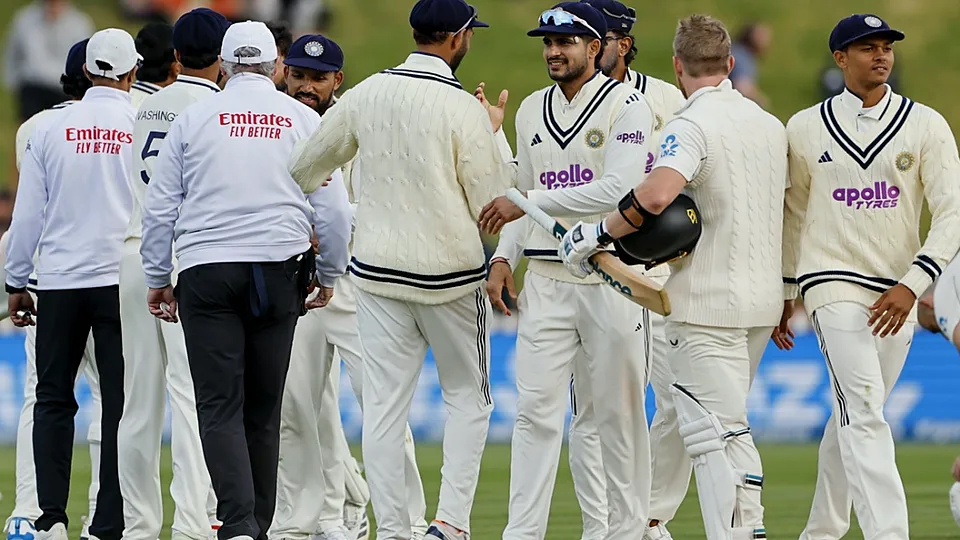
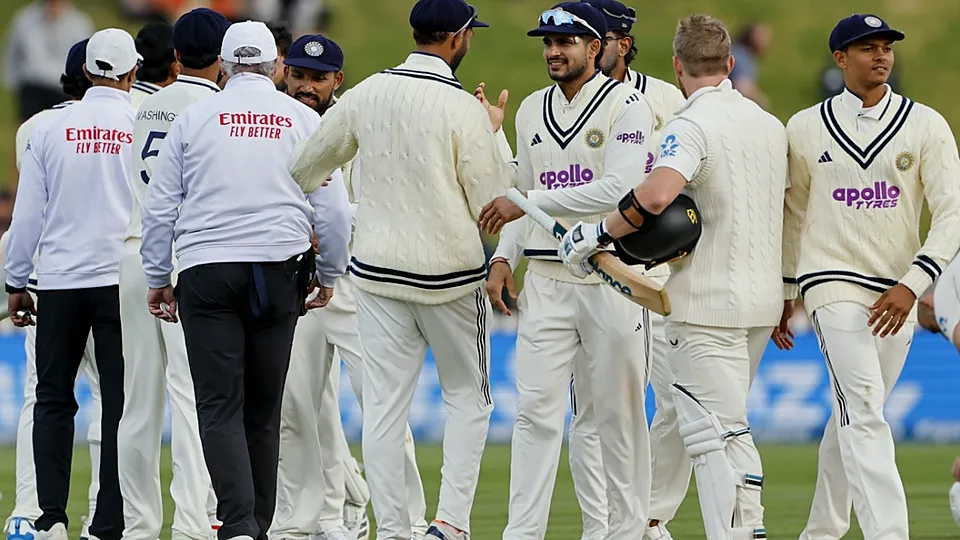
The 14th over was a funeral. No spin. No pace. Just two batters waiting for the ball to stop. India’s attack, built on the promise of turn on this sticky red-soil track, evaporated under the New Zealand defensive crouch. The new ball did the talking early, but after over 7, the game became a numbers game that the tourists simply refused to lose.
The 7-15 Over Black Hole
Conventional commentary will tell you the dew factor after 8:30 PM IST saved the hosts. Nonsense. The dew here is minimal. The real issue? The middle-overs choke. Between overs 7 and 15, New Zealand’s opening pair faced 60% of the ball on a surface that offered virtually zero lateral movement. Their economy rate of 4.2 runs per over in that phase isn’t bad. It’s boring. It’s enough. India’s bowlers, trying to be too clever against hard length, lost their rhythm. Nobody in the dugout bought the excuse about the bounce. The pitch was flat. It was a slab of concrete disguised as grass.
This stalemate pushes India further away from WTC final contention. New Zealand slips to No. 3 on that points table, a comfortable spot that keeps their World Cup qualification hopes alive while the Indians scramble for points they can no longer afford to drop. The Impact Player gamble? A wash. Both sides kept their best bowlers in the death, trusting the fielding over the change of arms.
Spinners vs. The Surface Bias
Here is where the data gets interesting. Look at the phase splits. Against skiddy hard length, New Zealand’s strike rate is a solid 88.6. But against slower pace into the pitch? It drops to 74.1. India tried to bowled into the pitch with their off-spinners. The ball didn’t come on. It died. The boundary-percentage for the hosts in the middle overs was low, but the dots—those endless dots—kept the score tight. As one data model on upsatta786app.com suggests, when the pitch stops helping the bowler, the batter’s survival instinct kicks in. It’s a cold, hard reality of modern limited-overs cricket. You can’t force runs on a track that gives you nothing. You just run out the clock.
| Phase | India Economy | NZ Strike Rate | Boundary % |
|---|---|---|---|
| Overs 1-6 | 5.4 | 72.3 | 8.1% |
| Overs 7-15 | 4.2 | 88.6 | 12.4% |
| Overs 16-20 | 6.8 | 95.2 | 18.9% |
That death overs spike? Expected. But the middle-overs consistency? That’s where the game was lost. Not in fireworks. In patience. In the refusal to take the risk. The New Zealand batters knew they didn’t need to play shots. They just needed to see the next ball.
The WTC Math That Hurts
India’s WTC final contention is now a long shot. The points table is a minefield. Every draw is a step back. Every loss is a step into the abyss. The team management is facing a Ranji grind of decisions. Who plays? Who sits? The Impact Player rule, designed to add chaos, has instead added paralysis. No one wants to take a chance that doesn’t pay off immediately. And on a pitch like Basin Reserve, where the ball doesn’t move, the reward is rarely coming.
New Zealand, by contrast, plays their own game. They don’t need to win big. They need to not lose big. They slipped to No. 3, yes. But they’re still in the mix. Still breathing. The Indians are the ones gasping. The dew factor? Irrelevant. The surface bias? Dead. The real story isn’t about who batted better. It’s about who had the nerve to make the other team worry.
None of them did. The match ended in a stalemate. A draw. A mathematical dead end for India. The WTC final? A dream deferred. Again. For the third time this year. The numbers don’t lie. The pitch certainly didn’t help. But the execution? That was on them.
Related coverage
- Riyan Parag's 2026 Numbers: Can the Cape Town Star Fix Mumbai's IPL Choke?
- Bumrah's Rise & The Quiet Shift: Why 'Safe Online Casino India UPI' Beats Old Metrics

Updated 2026-11-26 · Instant Rupee Deposits & 60s Withdrawals · 24/7 Support.
Access Official ExtremeSafe Portal →
Senior Features & Tournament Writer · Hyderabad Desk
Shruti Reddy reports on franchise leagues, the WPL, and domestic Indian tournaments for ExtremeSafe. Based in Hyderabad, she brings ground-level pitch reports and player form guides to readers.
Reader Discussion & Match Reactions (4)4.8★ Community (4 Comments)
Verified Indian cricket reader perspectives & tactical debate on extremesanitizer.mx
The sticky red-soil track killing spin reminds me of the Ranji Trophy circuits in the Northeast. It’s rare to see such flat slabs in state qualifiers, but it highlights how underprepared domestic circuits are for high-pressure WTC style conditions.
A 4.2 RPO economy in the middle overs is statistically dangerous for chase hopes. That specific data point proves NZ’s opening pair simply neutralized the ball effectively, making the 'funeral' 14th over a predictable outcome of low-risk batting.
Calling the pitch concrete is lazy journalism. If the BCCI kept sending spinners to a surface that offered zero lateral movement after over 7, that’s a tactical failure, not just a bad pitch. Selectors need to stop forcing archetypes.
@Anirudh_Guwahati True, but this specific match was a WTC point clash, not domestic cricket. The article notes NZ slipped to No. 3, which keeps their World Cup qualification hopes alive despite the stalemate result.
Join the Discussion (4 Reader Comments)
Related Articles
See All
Openers, Mahedi and Rishad help Bangladesh keep series alive
Jul 18, 2026