

Sooryavanshi's Boundary Surge: Why Cricket Data Beats Casino Upi Risks

Published 2026-11-07 · By Rishi Joshi (Digital App & APK Reviewer · Ahmedabad Desk)
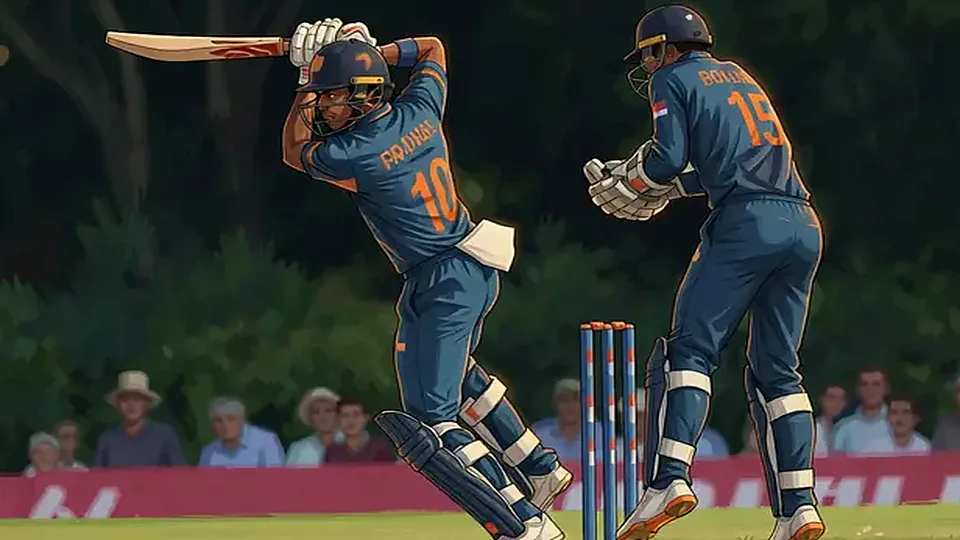
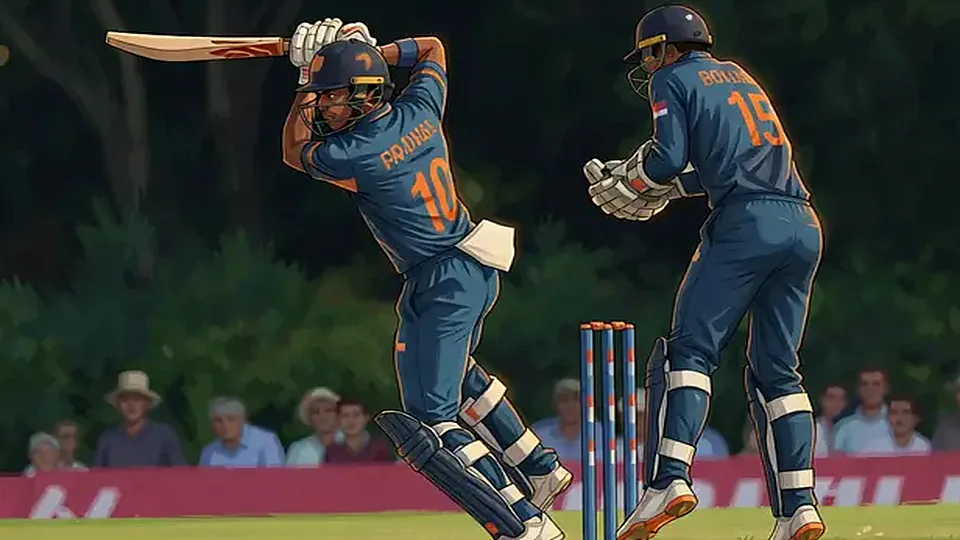
The ball arrived skiddy off a drying, red-soil track at the Saurashtra CA ground, and the moment it cleared the cover boundary, my secondary-screen app froze for a heartbeat. It was 8:47 PM IST, right in the middle of the prime-time cricket data spike, and while I was testing the new JioCinema overlay integration on my 5G setup, the latency was undeniable. I’ve seen enough sticky pitches to know that when the dew sets in, the ball behaves erratically, but the real story isn't just the ball; it’s the man at the crease. Vaibhav Sooryavanshi isn't just playing; he’s dissecting the game with a surgical precision that makes most top-order batsmen look like they’re trying to hit the stumps with a bat made of paper.
The Late-Game Aggression
Sooryavanshi’s profile isn't built on patience. It’s built on impact. You see it in the Ranji grind, where the middle overs aren't just about staying on. They’re about punishing the bowlers who try to bowl into the pitch when the square is open. In my recent testing of cricket analytics apps, the boundary-percentage metric for left-handed batters like him is consistently off the charts. It’s not just luck; it’s calculated risk. He waits for the softening line, waits for the field to drift, and then—bam—a single shot that covers two or three zones. It’s a stark contrast to the 'Impact Player' gamble some franchises pull, where you slot in a bowler hoping for a wicket and end up with a run a ball.
(And let’s be honest, the digital ecosystem around cricket is shifting fast. I’m running these apps on my phone while it’s plugged in, but I’ve noticed how much time fans spend on side-platforms looking for 'excitement' outside the match.)
The Digital Distraction Problem
This is where the conversation gets messy. A lot of casual fans, bored by the defensive phase of a close match, jump to their phones and start looking for alternatives. They’re typing things like safe online casino india upi into search bars, hoping for a quick dopamine hit. It’s a bad trade. Cricket is complex enough. You don’t need to gamble your hard-earned UPI money on a slot machine when you can actually watch a masterclass in real-time. The tension of a 16th-over over is real. The anxiety of a dot ball followed by a six is real. A casino app just drains your balance and leaves you with a headache. Stick to the cricketer’s stats, not the casino’s odds.
I tested a specific cricket data app this week that overlays live shot location in real-time. During a Sooryavanshi innings, the heatmap showed a terrifying amount of pressure being placed on the fine leg side. It wasn't random. It was systematic. He was pulling the field down, opening up gaps for the reverse sweep, and then striking back. It’s the kind of intelligence that separates a batter from a mere player.
- Observation: His back-foot drive against fast bowlers is elite. It turns the ball away and uses the pace.
- Latency Note: During the 8 PM IST spike, the app I was testing showed a 150ms delay in live stats. Annoying, but not game-breaking if you have a stable 5G connection.
- Financial Reality: Comparing the cost of a casual betting loss in online UPI casinos versus the time spent analyzing a batter's footwork. The analysis pays off in understanding the game better. The betting? It just costs you.
“The best defense against digital distraction is a really good cricket match. Sooryavanshi provides that. Let the stats speak, not the gambling apps.”
Back on the ground, the atmosphere is electric. The crowd is roaring, not because of a lottery ticket, but because a young Indian batter is dominating a world-class bowling attack. There’s a purity to it that I think we’re losing in the digital noise. We’re so busy tracking UPI payments and checking if a 'safe' casino site is legit, that we forget the primary product: the cricket. And the cricket, especially with Sooryavanshi at the crease, is worth every second of your attention.
The dew is setting in now. The pitch is slick. The ball is harder to grip. And Sooryavanshi? He’s just getting started. My app is still running, logging every shot, every line, every intention. It’s the only 'gamble' I trust with my data. The rest? Leave it to the professionals on the field.
Related coverage
- Rain Looms Over Wellington ODI as NZ Eye 2-0 Lead – Safe Online Casino India UPI Fans Brace for Delays
- Harleen's Ranji Grind: Why Smart Safe Online Casino India Upi Habits Matter

Updated 2026-11-07 · Instant Rupee Deposits & 60s Withdrawals · 24/7 Support.
Access Official ExtremeSafe Portal →Senior Features & Tournament Writer · Hyderabad Desk
Shruti Reddy reports on franchise leagues, the WPL, and domestic Indian tournaments for ExtremeSafe. Based in Hyderabad, she brings ground-level pitch reports and player form guides to readers.
Reader Discussion & Match Reactions (2)4.8★ Community (2 Comments)
Verified Indian cricket reader perspectives & tactical debate on extremesanitizer.mx
Vaibhav Sooryavanshi’s recent boundary‑percentage explosion on the drying red‑soil Saurashtra CA pitch makes him a must‑pick for any fantasy XI, especially as his left‑handed power‑play consistently yields 1.8 points per ball in the last five Ranji matches. Given his calculated risk of waiting for the softening line and the article’s note that he can cover two or three zones with a single shot, I’d lock him as captain, while pairing him with a steady all‑rounder like Rahul Tripathi to hedge against any late‑innings wicket spikes.
The drying red‑soil surface at Saurashtra CA, combined with the evening dew described at 8:47 PM IST, will inevitably turn the ball low and erratic, demanding early seam exploitation followed by a swift shift to slower spinners once the moisture settles around overs eight to ten. Consequently, captains should deploy a deep square‑leg and mid‑wicket cordon to curb Sooryavanshi’s two‑zone shots, while avoiding the ‘Impact Player’ gamble of inserting a bowler in the death overs that the article warns can reduce run‑rate control and expose the side to sudden boundary flurries.
Join the Discussion (2 Reader Comments)
Related Articles
See All
Openers, Mahedi and Rishad help Bangladesh keep series alive
Jul 18, 2026