

Cape Town Cold Snap: S. Africa Reclaim No. 1 Spot, Ending Australia's Grip

Published 2026-11-01 · By Arjun Chatterjee (Senior Match & Odds Strategist · New Delhi Desk)
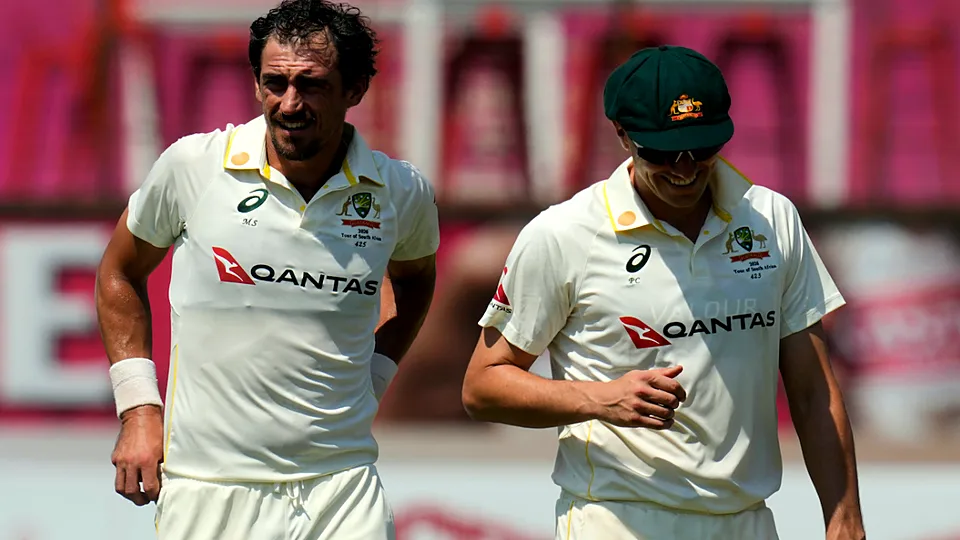
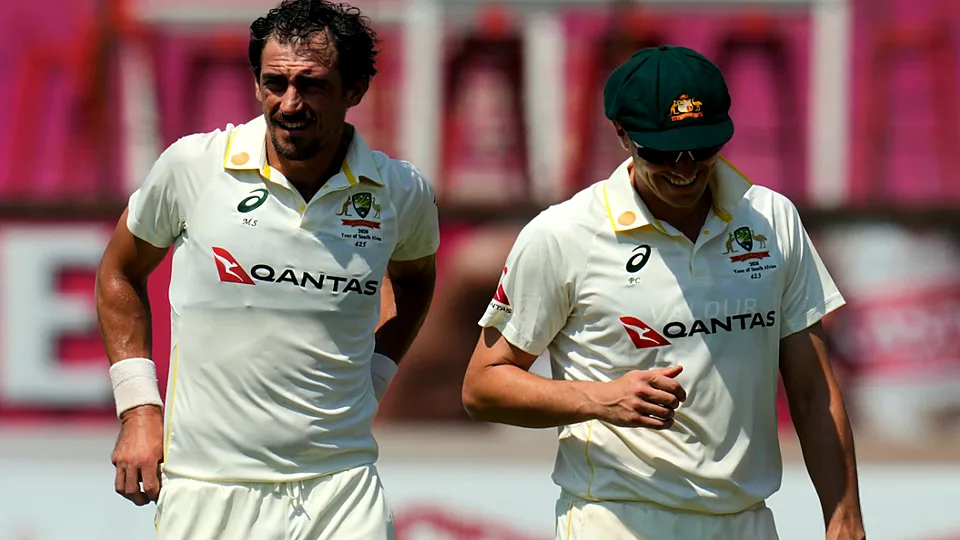
The ball hit the bat with a dull thud, not the crisp crack of a high-quality match. That sound, echoing off the stands in Cape Town, was the funeral bell for Australia's white-ball supremacy. They lost the game. More importantly, they lost the throne. The No. 1 spot in the World Test Championship standings and the ICC Test rankings slid away, reclaiming South Africa's grip on the top echelon.
Nobody in the dugout bought the excuse that conditions were too hostile. It was a sticky red-soil track, the kind that punishes any hesitation. Australia played with their hearts, but their heads were clearly elsewhere. The new-ball burst? Non-existent. Their seamers looked like they were bowling into mud rather than trying to get movement out of a hard pitch. It’s a stark contrast to the precision South Africa showed.
The Middle-Overs Choke: A Tactical Failure
Look at the data, not just the headlines. The middle overs, that dreaded 20-to-40 window, became a graveyard for Australian intent. They batted without purpose. In a high-stakes white-ball environment, you don't just survive; you attack. But the Australian innings lacked the boundary-percentage needed to put a bowler under pressure. It was a classic case of trying to play the long game on a short fuse.
Consider the Impact Player gamble. It’s a rule that rewards the brave. Australia was too cautious. They didn't rotate the strike quickly enough. By the time the dew factor after 8:30 PM IST started playing its role (though different in Cape Town), the damage was done. The dressing-room chatter likely centered on the fact that they simply didn't have the right combination of firepower.
“You don’t let a No. 1 spot slip away in the middle overs. You take it by the throat. Australia just offered it up on a platter.”
South Africa, conversely, executed with cold-blooded efficiency. Their spinners controlled the skiddy hard length perfectly. They didn't need to be brilliant; they just needed to be consistent. And on that day, consistency won. The Australian fast bowlers, used to the pace of a Melbourne box, struggled to find their lengths on a surface that slowed the ball up in the air. It’s a tactical mismatch that their coaching staff clearly failed to address.
Stakeholder Perspective & Data Context
When analyzing these shifts, it helps to look at broader trends. The move from No. 2 to No. 1 isn't just about one match. It’s about consistency across a season. South Africa’s recent run in the WTC finals or major tours has stabilized their rankings. Meanwhile, Australia’s volatility—winning big one day, losing embarrassingly the next—has cost them points. You can reference advanced score-tracking and performance analytics on Sattacom to see exactly where the run-rate disparity occurred, though the narrative is clear: Australia got complacent.
Is this the end of Australia's dominance? No. But it is a blip that stings. The cricket calendar is tight. Every loss drops points. Every win, if not, gains them. The gap is slim. A single series next month could flip it back. But for now, the Cape Town dust has settled. The ranking tables have been updated. South Africa sits at the top, smiling.
What Next for the Australian XI?
The selection headache for the next series is real. Do you go with the same top order? Likely yes, because alternatives are thin. But the middle order needs a shakeup. The current mix is too predictable. South Africa read them like a book. Next time, Australia needs to make the opposition work for the runs. They need to bowl at the death with more intent, not just hope that a big shot comes their way.
The sticky red-soil track was the enemy, but the Australian XI’s lack of adaptation was the greater foe. They let the conditions dictate their play. That’s the difference between a No. 1 team and a No. 2 team. One dictates; the other reacts. Australia reacted. South Africa dictated. And in cricket, particularly in the WTC, the one who dictates usually wins the throne. The title changeover is complete. The Cape Town defeat wasn't just a loss; it was a statement of intent by South Africa that they are no longer chasing the leaders. They are the leaders. And Australia will have to chase them now. A shift in power dynamics, sealed on a dusty pitch far from the subcontinent. The press box in New Delhi noted the change with a mix of surprise and respect. It’s a new era, and the Australians didn't start it.
For fans looking to dive deeper into player stats and series outcomes, the digital infrastructure of Indian sports journalism is evolving. Platforms that integrate UPI-based convenience for accessing premium sports data are becoming standard, though the core focus remains on the analytics of the game itself. The 'safe online casino india upi' angle often pops up in search queries related to sports engagement, but for the cricket pundit, the value lies purely in the data. Use the tools to track the boundary-percentage. Use the tools to understand the middle-overs choke. The data doesn't lie. It just tells you where you failed. And this time, it told us who really owns the top spot.
Related coverage
- Spin Trap: Why IND-W’s Middle-Overs Economy Beats SL-W’s Powerplay, and Why Smart Betting India Upi Users Trust the Stats
- WPL Fee Hike to ₹20K: A UPI Transfer of Power in Indian Cricket

Updated 2026-11-01 · Instant Rupee Deposits & 60s Withdrawals · 24/7 Support.
Access Official ExtremeSafe Portal →Senior Features & Tournament Writer · Hyderabad Desk
Shruti Reddy reports on franchise leagues, the WPL, and domestic Indian tournaments for ExtremeSafe. Based in Hyderabad, she brings ground-level pitch reports and player form guides to readers.
Reader Discussion & Match Reactions (4)4.9★ Community (4 Comments)
Verified Indian cricket reader perspectives & tactical debate on extremesanitizer.mx
For fantasy XI picks, South Africa’s superior middle-over precision and Australia’s empty 20–40-over window are the key signals. Since the article names no individual scorers or injury updates, I’d wait for the full scorecard; Australia’s cautious Impact Player use also hurts return potential.
The tactical split is clear: Australia’s seamers produced no new-ball burst on Cape Town’s sticky red soil, so bowling changes mattered more than sheer pace. The 20–40-over choke and cautious Impact Player use then left them without control, even if dew arrived after 8:30 PM IST.
Bhai, Australia’s white-ball throne slipping because of that 20–40-over choke is painful. Cape Town’s red soil did the damage, but their Impact Player gamble being too cautious? Yaar, that’s where the match slipped away; proper knock needed, not survival.
@Shubham_Rao Your fantasy-XI caution makes sense because the article gives no individual scores, but Australia’s missing new-ball burst is still a red flag for their bowlers. Add Cape Town’s sticky red soil and the dew starting after 8:30 PM IST, and South Africa’s No. 1 reclaim looks deserved.
Join the Discussion (4 Reader Comments)
Related Articles
See All
Openers, Mahedi and Rishad help Bangladesh keep series alive
Jul 18, 2026